 Country: Germany
 Visit website
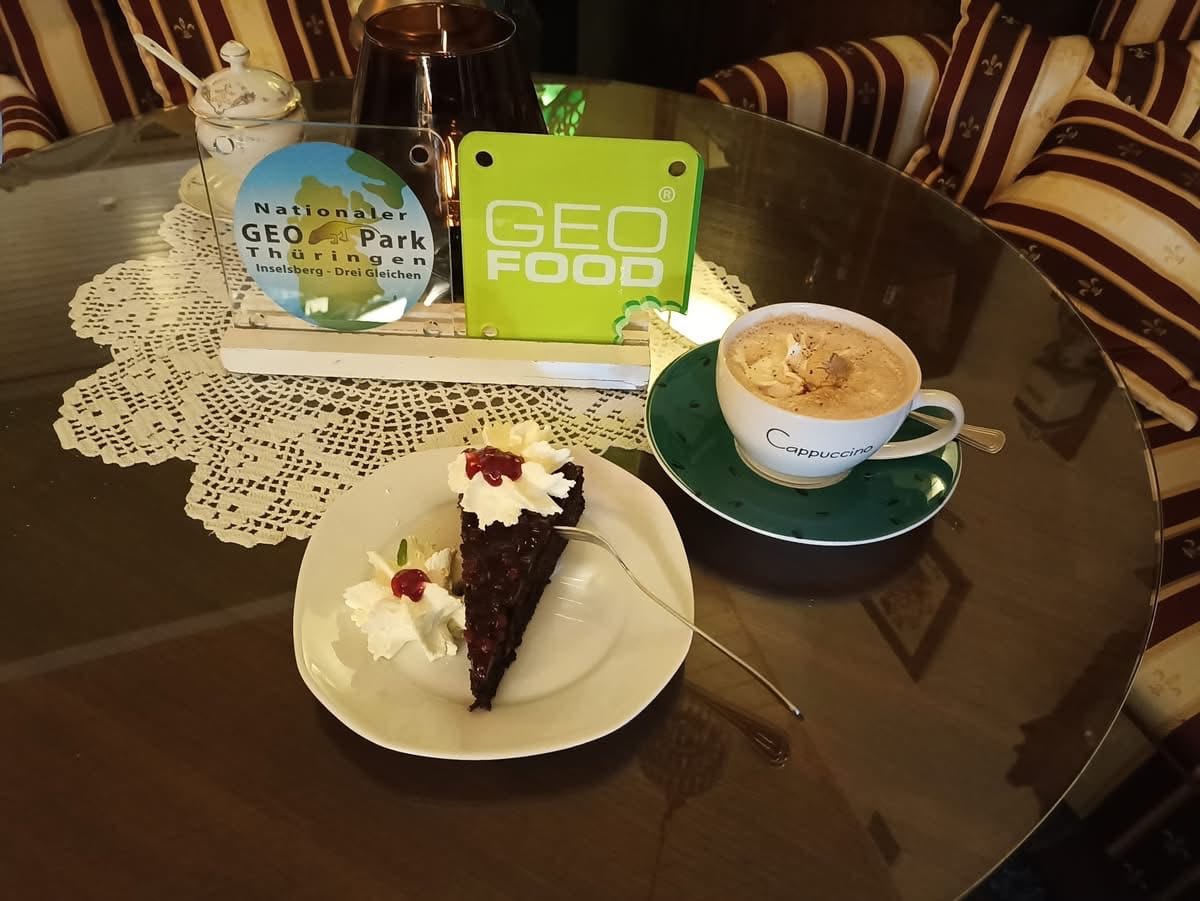
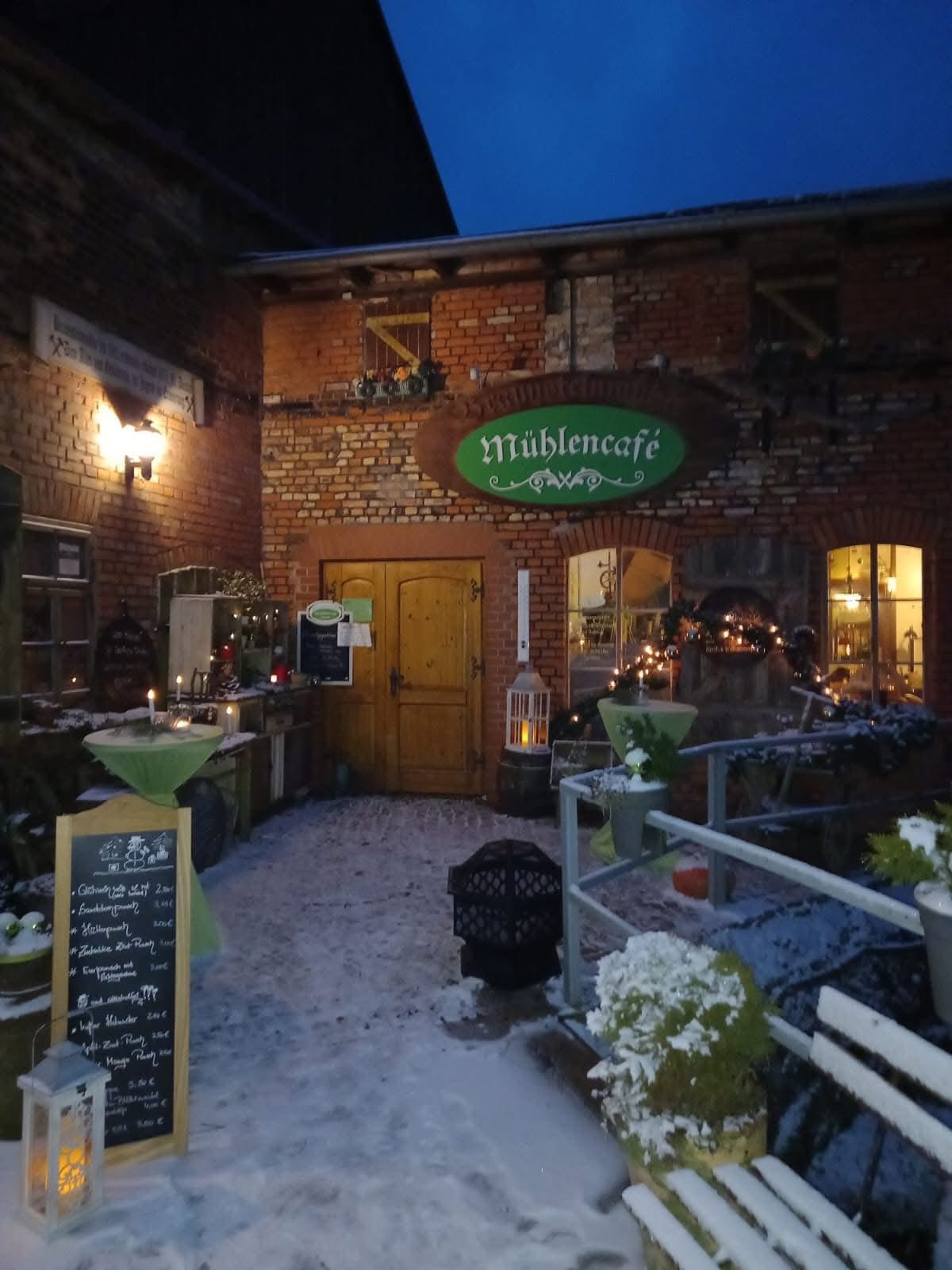
The Mühlencafé Geraberg is a special place where enjoyment, history, and geology come together in a unique way. Daniela Wiegand’s café is located in the historic Braunsteinmühle (Manganese ore mill), an important testament to the region’s economic and industrial history, where manganese ore was processed until 1982 and which is the only surviving manganese ore mill in European Union. An exhibition in the building invites visitors to learn more about the geological foundations of the region, the historical mining of manganese, and the use of hydropower along the tame Gera River. For this purpose, a water turbine, ore grinding mills, and a historical stamp mill have been restored, giving visitors the opportunity to gain insight into local manganese ore mining. A unique café concept has been realized in this extraordinary location. The premises, individually designed by Daniela Wiegand, offer a variety of experiences and invite guests to leave everyday life behind for a moment. With great attention to detail, a special and seasonal atmosphere is created in which guests feel welcome and can relax. Special attention is paid to the use of regional products: many of the cakes and tarts on offer are made with flour from grain grown in the geopark and its immediate surroundings. This creates a close connection between culinary enjoyment, regional agriculture, and the cultural landscape of the Geopark.
GEOfood menu
Special attention is paid to the consistent use of regional products. This commitment is particularly evident in the selection of ingredients for the wide range of cakes and tarts on offer. The flour used comes from grain grown directly in the UNESCO Global Geopark Thüringen Inselsberg – Drei Gleichen area or in its immediate vicinity. This conscious decision not only creates transparency and trust, but also strengthens regional agriculture, which has shaped the landscape for centuries. Close cooperation with local farmers creates a cycle that goes far beyond the mere exchange of goods. Customers know exactly where their food comes from, how it is grown, and who is behind it. This proximity enables a quality that can be tasted: flours with a characteristic aroma that is influenced by the soil, climate, and traditional farming methods. At the same time, family farms benefit from a reliable market for their products, which offers them planning security and economic stability. The use of regional ingredients also helps to keep the cultural landscape of the Geopark alive. Many of the fields that today supply grain for baked goods are part of historically grown agricultural land that has been cultivated for generations. By continuing to use these areas, a piece of regional identity is preserved. This combines culinary enjoyment with an active contribution to preserving the landscape. For guests, this creates a special experience: they don’t just enjoy a piece of cake, they taste a piece of the region. Every bite tells of the diversity of local agriculture, of the milling tradition that has continued since 1897, and of the people’s connection to their homeland. Overall, this creates a harmonious connection between enjoyment, sustainability, and regional value creation. The conscious decision to use local ingredients strengthens the community, protects the landscape, and creates a culinary offering that is deeply rooted in the culture of the Geopark.